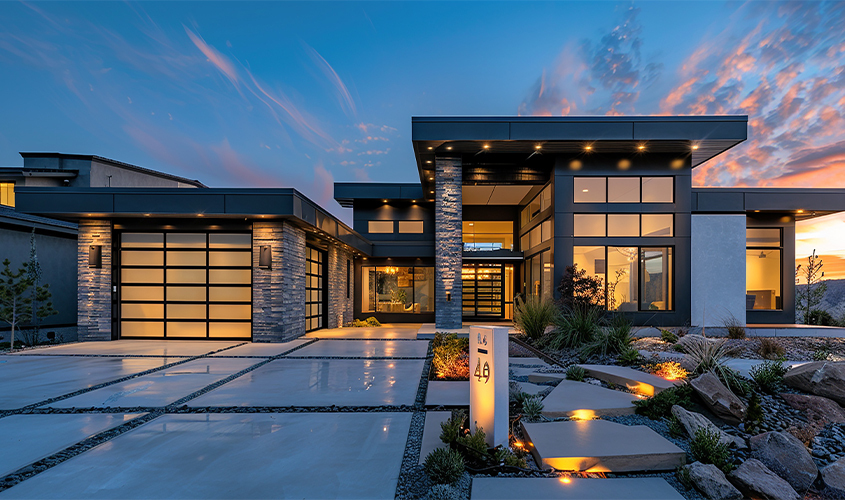
Buying a high-end home is a major financial and lifestyle decision. For buyers exploring luxury homes for sale in BC, understanding how quality is defined is essential. Quality is not a single feature or finish. It is a system of standards that influences safety, durability, comfort, and long-term value.
Custom home builders play a critical role in shaping these standards. From regulatory compliance to material selection and workmanship, quality in high-end homes reflects decisions made long before a buyer steps inside.
This guide explains what quality standards truly mean in premium residential construction and how buyers can evaluate them with confidence.
What Quality Standards Mean in High-End Residential Homes
Quality standards in high-end homes refer to measurable benchmarks that guide how a home is designed, built, inspected, and delivered. These benchmarks include legal requirements, construction practices, and performance expectations that go beyond visual appeal.
In British Columbia, quality is shaped by provincial building codes, licensing requirements, and warranty obligations. High-end homes must meet these foundations while also delivering elevated performance in energy efficiency, structural integrity, and interior comfort.
For buyers, quality standards translate into predictable outcomes. A home that meets proper standards is safer, easier to maintain, and more resilient over time.
Licensing and Regulatory Foundations in British Columbia
One of the clearest indicators of quality is licensing. In BC, residential builders must be licensed and registered. This requirement protects buyers by ensuring builders meet education, financial, and experience thresholds.
Custom Home Builders in BC operate within a framework that requires adherence to provincial regulations and warranty coverage. These rules are not optional. They exist to reduce construction risk and create accountability.
A licensed builder is subject to oversight. This means construction practices, documentation, and compliance can be verified. For high-end buyers, this foundation is essential. Luxury without compliance introduces risk that undermines long-term value.
Structural Integrity as a Core Quality Standard
High-end homes rely on strong structural systems. This includes foundations, framing, load paths, and roof assemblies. Quality standards ensure these systems work together as a unified structure.
In premium residential construction, structural quality often exceeds minimum requirements. Builders account for local soil conditions, climate loads, and long-term performance. In regions like the Okanagan, this includes considerations for temperature variation and terrain.
Strong structural planning supports durability. It also protects finishes and interior features from movement-related damage. A visually stunning home loses value quickly if structural quality is compromised.
Material Selection and Performance Expectations
Materials are a visible marker of quality, but performance matters more than appearance. High-end homes use materials selected for longevity, stability, and compatibility with the overall building system.
Exterior cladding, roofing, windows, and insulation must perform reliably under regional conditions. Interior materials such as flooring, cabinetry, and millwork should maintain form and finish over time.
Quality standards guide how materials are sourced and installed. Proper installation is as important as the product itself. Even premium materials fail if installed incorrectly.
Energy Efficiency and Building Performance
Modern quality standards place strong emphasis on energy efficiency. High-end homes are expected to deliver consistent indoor comfort while minimizing energy use.
This includes insulation strategies, air sealing, window performance, and mechanical system integration. In luxury homes, these systems are designed holistically rather than added as upgrades.
For buyers reviewing luxury homes for sale in BC, energy performance affects operating costs and comfort. A well-built home maintains stable temperatures and reduces drafts. These outcomes are the result of quality planning and execution.
Interior Fit and Finish as a Reflection of Craftsmanship
Interior quality is often where buyers focus their attention. Cabinet alignment, joint consistency, surface finishes, and detailing all reflect workmanship standards.
High-end homes require precision. Small inconsistencies become more noticeable in premium spaces. Quality standards ensure finishes are installed with care and reviewed before handover.
Craftsmanship also affects longevity. Properly installed interiors resist wear and maintain appearance. This protects the investment and reduces future repair needs.
Construction Oversight and Inspection Processes
Quality does not rely on trust alone. It relies on inspection. High-end residential projects involve multiple inspections throughout construction.
These inspections verify structural elements, system installation, and code compliance. They also identify issues early when correction is simpler and less costly.
Home builders that prioritize quality welcome oversight. Inspection processes support consistency and transparency. For buyers, this means fewer surprises after possession.
Warranty Coverage and Buyer Protection
Warranty coverage is a critical quality standard. In BC, new homes must be covered by home warranty insurance unless specifically excluded.
Warranty programs protect buyers against defects related to materials and workmanship. They also provide recourse if issues arise after occupancy.
For high-end homes, warranty coverage reinforces confidence. It demonstrates that quality standards were not only claimed but backed by formal protection.
How Quality Standards Influence Long-Term Value
Quality standards directly affect resale value. Homes built to recognized standards age better and retain buyer appeal.
Strong construction reduces maintenance demands. Efficient systems lower operating costs. Clear documentation supports future transactions.
For buyers, quality is not only about enjoyment. It is also about preserving asset value in a competitive market.
Evaluating Quality When Touring High-End Homes
Buyers can assess quality by looking beyond finishes. Questions about licensing, inspection history, warranty coverage, and system design provide valuable insight.
Consistency across visible and hidden elements often indicates strong standards. A home that feels solid, balanced, and thoughtfully planned usually reflects disciplined construction practices.
Asking informed questions helps buyers distinguish between surface-level luxury and genuine quality.
About Us
LIV Custom Homes is a licensed residential builder based in Kelowna, British Columbia. Established in 2013, the company focuses on delivering finished luxury homes that meet high construction and compliance standards.
Each home is built with attention to structural integrity, performance, and long-term value. Licensing and warranty coverage form the foundation of every project, providing buyers with confidence and protection.
If you are exploring luxury homes for sale in BC and value quality you can trust, connect with us to know more about available properties and upcoming opportunities.